Every postcard from San Diego sells the same two images: a perfect beach and the zoo. The assumption is that to find a breathtaking, panoramic view of the entire bay, the city skyline, and the Pacific horizon, you need to either book a pricey harbor cruise or secure a reservation at a hillside resort restaurant where a cocktail costs $20. When I heard about Cabrillo National Monument—a national park unit requiring a $15 per vehicle fee—I dismissed it as another minor historic plaque with a nice overlook, a quick stop on a checklist that wouldn't justify its own trip. I expected a scenic but ultimately forgettable and slightly overpriced detour. The reality was a stunningly comprehensive, half-day outdoor experience that delivered more visual and experiential value per dollar than almost anything else in Southern California, while simultaneously exposing the quiet, expensive flaws in how we typically access the coast.
The $15 entry fee is the entire financial conversation, and it’s a bargain that reframes the local economy. Once inside, every vista, every trail, and every historical exhibit is covered. There are no hidden upsells, no secondary charges for the best viewpoints. The only potential budget pitfall is the on-site snack bar, which has limited, park-typical offerings at a markup. The savvy move is to pack a picnic—stop at a grocery store inland for sandwiches and drinks—and eat at one of the coastal picnic tables with a million-dollar view. For a real post-visit meal, avoid the tourist-heavy restaurants of Point Loma's Shelter Island. Drive 10 minutes into the more residential Ocean Beach or Midway districts for phenomenal, affordable fish tacos or burgers at local joints where a meal with a beer costs less than an entrée in the coastal zones. The price difference is between convenience and a short drive.
Accommodation near the monument is a study in missed value. The waterfront hotels in nearby Harbor Island are corporate and expensive, charging a premium for a bay view you essentially get for $15 at Cabrillo. For that same nightly rate, you could stay in a more interesting neighborhood like North Park or Hillcrest, full of great dining and character, and simply drive 15 minutes to the park. You’re not paying for proximity; you’re paying for a quieter, more authentic base and using your rental car as the key to coastal access. This leads to the core financial point: you absolutely need a car. Public transportation to this remote point is impractical. Rideshares are a financial trap—a one-way trip from downtown can be $25, and getting a pick-up to leave can be difficult. The $15 park fee is trivial compared to the round-trip rideshare cost of $50+. The strategy is to cluster a visit here with other nearby points of interest, like the Point Loma tide pools or Sunset Cliffs, to maximize your automotive investment.
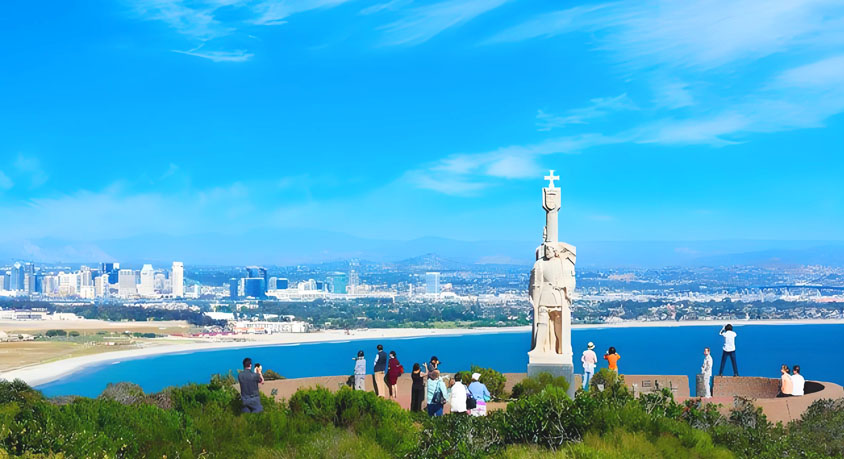
The high-value experience at Cabrillo isn't just the iconic view from the Old Point Loma Lighthouse. It’s the deliberate exploration of its layers. Arrive two hours before sunset. First, walk the Bayside Trail, a gentle, mile-long path down the sheltered eastern slope with stunning, ever-changing perspectives of the harbor and Coronado Island, often devoid of crowds. Then, drive to the western coastal bluff and explore the rugged Tide Pools at low tide (check the park's tide schedule), a fascinating, free micro-wildlife exhibit. Finally, secure your spot for the sunset spectacle from the lighthouse area, watching the city lights flicker on as the sky ignites over the ocean. For a free extension of this maritime theme, visit the public fishing pier and grassy park at Spanish Landing Park on your way back to the city, a locals' spot with postcard views of the downtown skyline across the water.
January and February are the secret season for this. The summer fog ("May Gray") is absent, and the winter light is clear, sharp, and golden, perfect for photography and panoramic views. The trade-off is that it can be surprisingly cold, especially on the exposed western bluffs with a biting Pacific wind. A fleece jacket and hat are essential. Crowds are minimal on weekdays, a stark contrast to the summer zoo-like atmosphere at other lookouts. The $15 fee remains constant year-round, but hotel prices in San Diego are lower now than in summer, making the overall trip more affordable. Flights can be reasonable. You are trading the guarantee of beach weather for guaranteed visibility and manageable crowds, making this the ideal time for a contemplative, view-focused visit rather than a sunbathing one.
Cabrillo National Monument is the antithesis of San Diego's typical paid experience. It charges a flat, transparent fee for unimpeded access to nature, history, and a view that expensive tours only circle. The real cost isn't $15; it's the assumption that such a profound vantage point must be attached to a luxury commodity. It proves that the city's most complete perspective isn't sold by a resort or a cruise line, but by the National Park Service, asking only for the gas to get there and the foresight to bring your own sandwich.