The American traveler’s mental map of Tokyo is a circuit board of extremes: the controlled chaos of Shibuya Crossing, the futuristic consumerism of Ginza, the serene distance of a mountaintop temple requiring a costly train journey. When you hear of an area dubbed “Little Kyoto” within the city, the assumption is immediate: a meticulously preserved, aesthetically perfect, and financially prohibitive stage set, where every teahouse requires a reservation made weeks in advance by your hotel concierge, and a simple bowl of matcha costs the same as a full lunch elsewhere. I approached Kagurazaka’s sloping stone lanes expecting a beautiful museum of a neighborhood, lovely to look at but sealed off behind velvet ropes and a luxury price tag, a place where my role was that of a window-shopper. The reality was a quiet, lived-in lesson in Tokyo's layered economy, where the traditional and the mundane coexist seamlessly, and the most atmospheric experiences are often the least transactional.
The financial illusion in Kagurazaka is that its geisha houses and hidden ryotei (high-end restaurants) define its cost of entry. They do not. The real economy operates at street level, in the warren of shotengai (shopping streets) that run perpendicular to the main slope. Here, a perfectly crafted onigiri (rice ball) from a decades-old specialist shop costs 150 yen. A steamy, savory oyaki (stuffed dumpling) from a tiny bakery is 200 yen. The price gap isn't between tourist and local, but between the curated “experience” and the daily sustenance that has fueled this neighborhood for a century. For a sit-down meal, bypass the few places with English menus near the station. Duck into a standing soba shop where salarymen slurp noodles for 500 yen, or a bustling tonkatsu (pork cutlet) counter where a set lunch is under 1000 yen. The splurge is a slice of exquisite Japanese-French pastry from one of the area's famous pâtisseries—a luxury that costs less than a generic Starbucks muffin and coffee in the U.S.
Accommodation near Kagurazaka in the first quarter of the year leverages Tokyo's post-holiday calm. The gleaming skyscraper hotels in Shinjuku or Marunouchi command high rates, but a network of excellent, compact business hotels in the nearby Iidabashi and Korakuen areas offer immaculate, efficient rooms for a fraction of the price. For the cost of a dated mid-range hotel in an American city, you get a hyper-clean, well-located capsule of tranquility with a superb bath, a short walk from the neighborhood's atmosphere. You're paying for transit access and a local feel, not a lobby bar. This is critical because transportation to and within Kagurazaka is a pedestrian's dream. Iidabashi Station is a major hub served by multiple subway and JR lines. From there, you simply walk uphill. The neighborhood itself is a maze best explored on foot; you will lose the tourist crowd within two turns off the main street. The only hidden cost is the potential to get lost, which is the entire point.
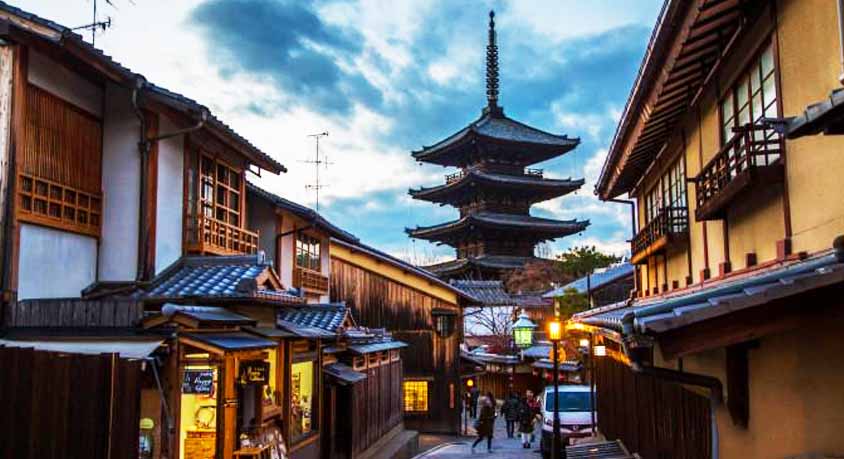
The high-value, low-cost experience here is the act of getting deliberately lost. Climb the steep, narrow stone-paved akausu (red stone) alleyways behind the main drag, where quiet residential life and tiny shrines nestle between the walls. Visit the Bishamonten Zenkoku-ji Temple, a serene, less-crowded complex that feels worlds away from Senso-ji’s frenzy. For a few hundred yen, you can get a fortune or simply enjoy the contemplative silence. As evening falls, the area’s magic changes. While the exclusive geisha houses are not accessible, you can witness the subtle comings and goings from a respectful distance on the back streets, a glimpse of a vanishing culture that costs nothing but observation. For a modern contrast, explore the Kagurazaka shōtengai in the evening when the local butchers, fishmongers, and greengrocers are closing up, offering a slice of daily life far from the curated “old Japan” image.
January through April is a period of atmospheric transition, perfect for this neighborhood. January and February are cold and clear, with few tourists. You can have the picturesque lanes largely to yourself, the bare trees framing the traditional facades. It’s the ideal time for contemplative walks. March brings the hint of plum and then cherry blossoms to the area's few trees, a more intimate sakura experience than the packed parks. By April, the weather softens, but so do the crowds. The trade-off is that the earlier months require a warm coat. You are trading the comfort of mild weather for the privilege of solitude and sharper, clearer light perfect for photography. Hotel prices are stable outside of major holiday weeks. You visit not for peak foliage or perfect warmth, but for the quiet authenticity of a neighborhood going about its business, offering its beauty for the price of a subway ticket and a willingness to wander.
Kagurazaka’s secret is that it isn’t a preservation; it’s an adaptation. The “Little Kyoto” label sells a fantasy, but the reality is a working, breathing Tokyo neighborhood that has elegantly folded its history into its present. The expense isn’t in accessing its beauty, which is free on every street corner, but in the assumption that such atmosphere must be consumed in a paid, ceremonial way. It proves that Tokyo’s most profound traditional moments aren’t found on a tour itinerary, but in the accidental discovery of a stone step, a hidden lantern, and the sound of your own footsteps on a quiet slope.