The postcard version of San Diego is a study in cheerful, expensive congestion: a packed zoo tram, a queue for the aircraft carrier, and a scrum for a patch of sand at La Jolla Cove. We accept that a breathtaking, 360-degree panorama of this entire sun-drenched metropolis must come with a comparable price in dollars, crowds, or both—a harbor cruise ticket, a reservation at a sky-high restaurant, or a sweaty hike shared with a hundred other souls. When someone offhandedly mentions the Cabrillo National Monument at the tip of Point Loma, it registers as a minor historical footnote for a rainy day, a $15 drive-to vista you might do if the kids are tired of the beach. I went expecting a pleasant but ultimately standard national park overlook, a place to snap a quick photo of the bay before rejoining the city’s lucrative tourist economy. What I discovered, especially in the crystalline quiet of a winter afternoon, was not a mere viewpoint, but a sprawling, multifaceted escape hatch that makes the rest of San Diego’s paid attractions feel like overly scripted and crowded imitations of the real thing.
The $15 vehicle entry fee is your one-time financial key, and it unlocks a disproportionate kingdom. This fee covers every passenger and grants access for seven consecutive days. Once inside, the potential upsells vanish. The snack bar is the only concession, and it charges park prices. The savvy financial move is to pack a picnic from a grocery store inland—a superior sandwich, some fruit—and eat at a coastal table with a view that no bayfront restaurant can match without adding a zero to your bill. For a real meal, avoid the predictable seafood restaurants of nearby Shelter Island. Drive ten minutes back toward the neighborhoods of Ocean Beach or Point Loma itself, where legendary fish taco shops and unpretentious burger joints serve massive, flavorful plates for under $15, a price that barely covers a beverage at the downtown tourist traps. The cost division here is stark: you either pay a premium for the convenience of a captive audience, or you invest a tiny bit of planning to feast like a local with a view you’ve already secured for pennies.
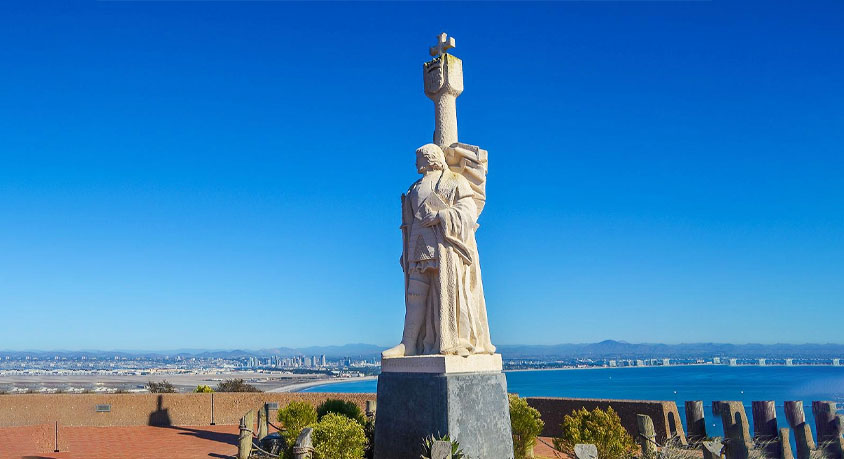
Accommodation during the January to April period near Point Loma is surprisingly reasonable compared to the beachfront premiums. The dated but comfortable hotels and motels along Rosecrans Street or in the Sports Arena area offer rates far below those in La Jolla or Coronado. For the price of a basic chain hotel room in a U.S. secondary city, you get a clean, no-frills base with a crucial advantage: you’re a 10-minute drive from the monument at sunset. You’re not paying for glamour; you’re paying for proximity to golden hour at one of the continent’s great overlooks. This strategic location is vital because transportation logic is paramount. Relying on rideshares to and from this remote point is a budget hemorrhage. Having your own car is non-negotiable, not just for the monument, but to cluster this visit with others along the Point Loma peninsula, like the Sunset Cliffs or the Liberty Station public market, maximizing your automotive investment.
The high-value, low-cost experience isn't just the iconic view from the Old Point Loma Lighthouse. It’s in the deliberate, layered exploration the fee permits. Arrive two hours before sunset. First, walk the Bayside Trail, a gentle, mile-long path down the sheltered eastern slope with ever-changing, stunning perspectives of the harbor, Coronado, and the downtown skyline, often completely empty. Then, drive to the western coastal bluffs and carefully explore the Tide Pools at low tide (check the park’s online tide chart). This is a free, fascinating safari of sea stars, anemones, and hermit crabs in a dramatic, rocky setting. Finally, claim your spot for the sunset spectacle from the lighthouse area. For a free, powerful extension of the maritime theme, visit the Fort Rosecrans National Cemetery just outside the park gates. The silent, orderly rows of white headstones against the blue backdrop of the bay offer a profoundly moving historical perspective, asking only for respectful silence.
Visiting between January and April is the strategic key to unlocking the monument’s secret persona. January and February are the revelation: the air is often crisp and startlingly clear after Pacific storms, offering visibility all the way to Mexico. The famous coastal “June Gloom” is months away. The crowds are minimal, composed of locals and determined birders. You can hear the wind and the distant bark of sea lions. March and April see a gentle increase in visitors and the possibility of migrating gray whales offshore, but it’s still a fraction of summer madness. The trade-off is the potential for cold, biting wind on the exposed western bluffs—a warm fleece jacket is mandatory. You are trading guaranteed warm beach weather for guaranteed visibility, manageable crowds, and a contemplative, almost proprietorial experience of a landscape that feels both monumental and intimate.
The Cabrillo National Monument is San Diego’s quiet masterpiece of public utility. It proves that the city’s most comprehensive, soul-stirring perspective isn’t sold by a cruise line or a resort, but by the federal government for the price of a mediocre lunch. The real expense isn’t the $15 entry; it’s the stubborn tourist belief that better views must be more exclusive, more crowded, and more costly. This place quietly refutes that, offering a panoramic secret so good, you’ll almost understand why locals might want to keep it to themselves.