The very name “Design District” in Miami conjures a specific, anxiety-inducing image: a sun-drenched catwalk of haute couture, where a single handbag costs more than your car and the only art is the performance of wealth itself. It’s dismissed by budget-conscious travelers as a sterile, look-but-don’t-touch playground for the elite, a place where your presence is tolerated only if you’re carrying a shopping bag from a brand you can’t pronounce. I walked into its pristine, palm-lined blocks expecting to feel like a financial impostor, a window-shopper in a museum of unattainable goods, where the only free experience would be the shame of walking out empty-handed. What I discovered, especially in the clear, glorious light of the winter season, was not a shopping mall, but an audacious open-air installation where world-class art, architecture, and people-watching are offered as free public amenities, cleverly financed by the very luxury commerce they seem designed to showcase.
The financial illusion is brilliantly constructed. You are meant to believe the value is in the transaction inside the boutiques. The reality is that the district’s most compelling product—its atmosphere—is free. Your first cost is parking, which can be $10+ in a garage. The immediate hack is to park for free on the residential streets just north of 41st Street or arrive via the free City of Miami trolley (Buena Vista route). Once inside the district, the potential budget black hole is the food. The impeccably designed cafes and restaurants charge Palm Beach prices for lunch. The local intelligence is to walk ten minutes west into the Buena Vista or Little Haiti neighborhoods. There, a legendary Haitian griot plate or a massive, life-changing Cuban sandwich from a no-frills window will cost $12 and taste infinitely more authentic than any $28 salad in the design core. The price gap isn’t about quality, but about paying for the curated environment versus paying for the food.
Accommodation in the Design District itself is virtually non-existent; it’s a commercial zone. The expensive mistake is booking a nearby high-rise condo hotel in Edgewater or Midtown, assuming it’s “close.” For that same nightly rate, you can find a more characterful stay in Coconut Grove or a well-located vacation rental in Morningside, neighborhoods with their own charm and easier parking. You’re not paying for proximity to Prada; you’re paying for a base to explore multiple unique districts, using the free trolley or a cheap rideshare for the short hop to the Design District. This is crucial because transportation within the district is purely pedestrian. Its genius is its walkable, gallery-like layout. The only hidden “tourist tax” is the temptation to duck into a store for air conditioning, a move that puts you one impulse away from financial regret.
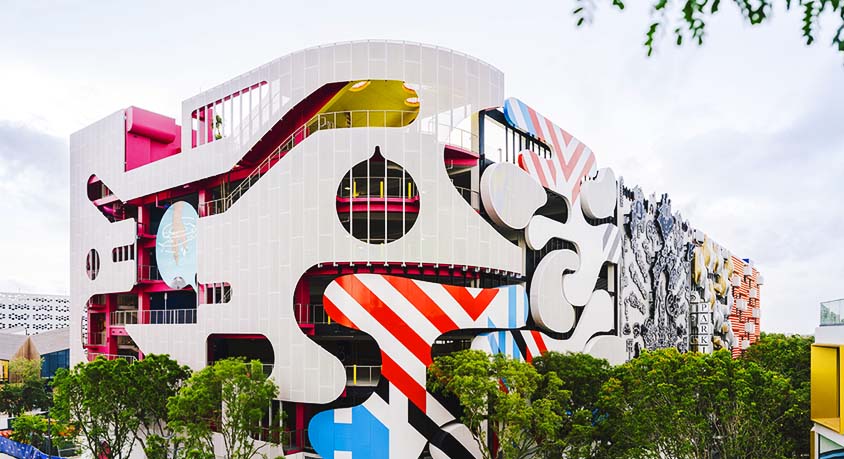
The high-value, free experience is in treating the district as an outdoor museum. The public art collection is staggering and costs nothing. You can spend hours hunting for works by giants like Buckminster Fuller (the Fly’s Eye Dome), Urs Fischer, and John Baldessari. The Institute of Contemporary Art, Miami (ICA) offers free admission, providing a stunning, air-conditioned anchor of world-class exhibitions. For architectural wonder, simply look up. Study the facades of buildings by architects like Aranda/Lasch and Sou Fujimoto—the real “design” is often on the exterior. Then, find the hidden Jaguar Sun alleyway or the tranquil Palm Court for a moment of shaded quiet amidst the buzz. The goal is to appreciate the billion-dollar curation of space without spending a dime.
Visiting between January and April means engaging with Miami at its most photogenic and most crowded. This is peak season. The weather is nearly perfect—warm, dry, and sunny, ideal for hours of outdoor strolling. The trade-off is that hotel prices across Miami are at their annual maximum, and the district will have more visitors. However, the crowds are self-segregating. The shoppers queue outside the flagship stores, while the art admirers and architecture gazers have the sidewalks and plazas relatively to themselves. To maximize the experience, visit on a weekday morning. The light is beautiful, the heat is manageable, and you’ll have the art installations largely to yourself before the afternoon shopping crowd descends.
The Design District’s masterstroke is its alchemy. It uses the gravitational pull of luxury commerce to fund a free, spectacular public realm of art and design that ultimately upstages the shops. The real expense isn’t missing out on a purchase; it’s failing to realize that the purchase was never the point. By ignoring the beckoning storefronts and focusing on the curated skyline, the sculpture gardens, and the free museum, you experience one of America’s most ambitious urban experiments not as a consumer, but as a critic, a flâneur, and a guest at a party where the cover charge was paid by someone else long ago.