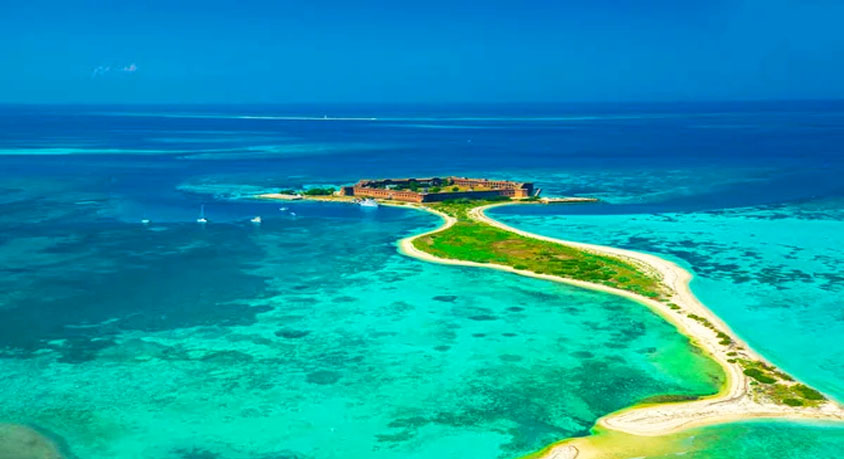
The boat cuts through the impossibly blue water of Biscayne Bay, the Miami skyline shrinking to a glittering mirage on the horizon behind you. Ahead, emerging from the shimmering heat haze like a ghost from another century, sit seven wooden houses on stilts, defiantly perched above the turquoise shallows. This is Stiltsville, a collection of historic shack-like structures that have somehow survived hurricanes, neglect, and the relentless march of South Florida development since the 1930s.
The common assumption is that accessing such a unique, off-limits place requires a private charter, a wealthy friend with a yacht, or at least a substantial tour fee that separates you from your vacation budget. I booked my trip expecting a logistical nightmare followed by a financial one. What I discovered was that Biscayne National Park, one of America's least-visited national parks, is also one of its most affordable and accessible aquatic playgrounds—if you know exactly which boat to catch.
The first and most crucial financial decision is choosing your vessel to reach Stiltsville. Private charter companies in Miami routinely charge $500-$800 for a half-day boat rental, a price that might make sense for a group of eight but crushes the solo traveler or couple. The local secret is the Biscayne National Park Institute, the official nonprofit concessionaire running educational tours from the park's Convoy Point visitor center.
Their three-hour Stiltsville and bay cruise costs around $45-$55 per person, and it comes with a certified naturalist who knows the history of every house, the ecology of every mangrove island, and the best spots to spot manatees or sea turtles along the way. This isn't a tourist trap; it's a park service-sanctioned experience with the same guides who train park rangers. Food on the water requires forethought. There are no floating cafes near Stiltsville. The savvy move is to pack a cooler with sandwiches and drinks from a grocery store in nearby Homestead. A $10 supermarket haul beats the $30 you'd spend on mediocre marina food at the park's entrance, where options are limited anyway.
For accommodation, the idea of staying in South Beach and commuting to Biscayne is tempting but inefficient. A standard hotel in South Beach runs $250-$400 a night, and you'll spend another $50-$60 on ride-share or car rental to reach the park. Instead, base yourself in Homestead or Florida City, just 20 minutes from the park entrance. Here, clean chain hotels and charming motels average $120-$150 a night—roughly the price of a budget motel in a midwestern suburb, but with palm trees and easy park access.
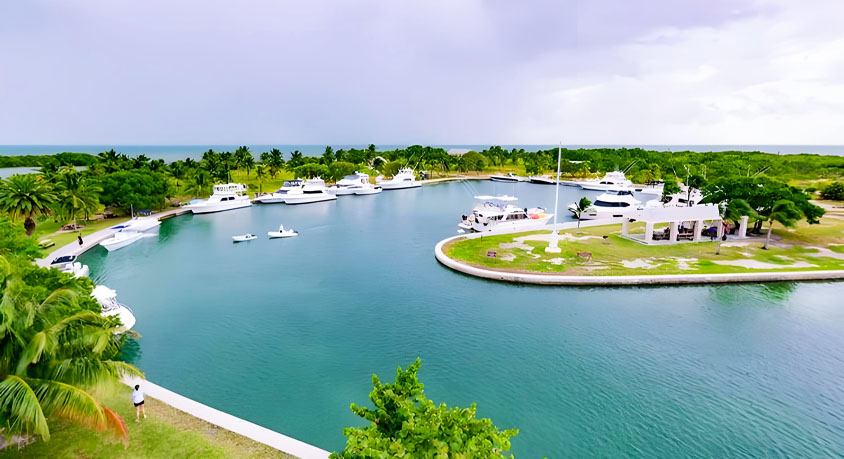
Transportation to the park itself demands a car. Public transit does not reach Convoy Point, and ride-share from Homestead is unreliable. Rental cars in Miami are reasonably priced if booked early, and parking at the park is completely free. The hidden cost to avoid is the "convenience fee" charged by third-party tour operators who simply resell the same boat trips at a markup. Book directly through the park's official site.
While the Stiltsville houses are the headline, the surrounding waters hold treasures most boat tours ignore. Ask your naturalist about the park's underwater archaeology trail. With a snorkel and mask, you can explore the remains of century-old shipwrecks resting in the clear, shallow waters, their wooden skeletons now home to vibrant coral and tropical fish. This is history you can touch, free with your boat ticket.
On the return journey, request a slow pass through the mangrove tunnels near Elliott Key. These narrow, shaded waterways are nurseries for baby sharks, rays, and countless fish species, visible from the boat's edge. For a completely different experience, time your visit to coincide with a full moon. The park occasionally offers moonlight paddling trips through the mangroves, a surreal, affordable adventure where the water glows with bioluminescence and the only sounds are your paddle strokes and the distant calls of night herons. Finally, don't skip the Dante Fascell Visitor Center itself. Its second-floor observation deck offers a panoramic view of the bay, and the small aquarium inside, filled with native species, costs absolutely nothing.
Planning a visit between March and June is a lesson in reading Florida's seasonal rhythms. In March, the weather is near-perfect: low humidity, gentle breezes, and water temperatures comfortable for snorkeling without a wetsuit. Spring break brings families, but weekdays remain manageable. April maintains this sweet spot, with calm seas ideal for spotting dolphins and sea turtles. By May, the heat and humidity begin their ascent, but so do the chances of afternoon thunderstorms that can cancel boat tours. Book morning trips to beat the weather. June marks the official start of hurricane season, which means greater uncertainty but also smaller crowds and the potential for last-minute tour discounts if you're flexible.
Your major cost is the flight into Miami International Airport (MIA) or Fort Lauderdale (FLL). Fort Lauderdale is often cheaper and only an hour's drive from the park, making it the savvy traveler's choice. From either airport, a rental car is non-negotiable. Pack polarized sunglasses—they cut through the water's glare, revealing the underwater world beneath your boat. Reef-safe sunscreen is required by law in this protected marine sanctuary, and biodegradable options are available at the visitor center if you forget.