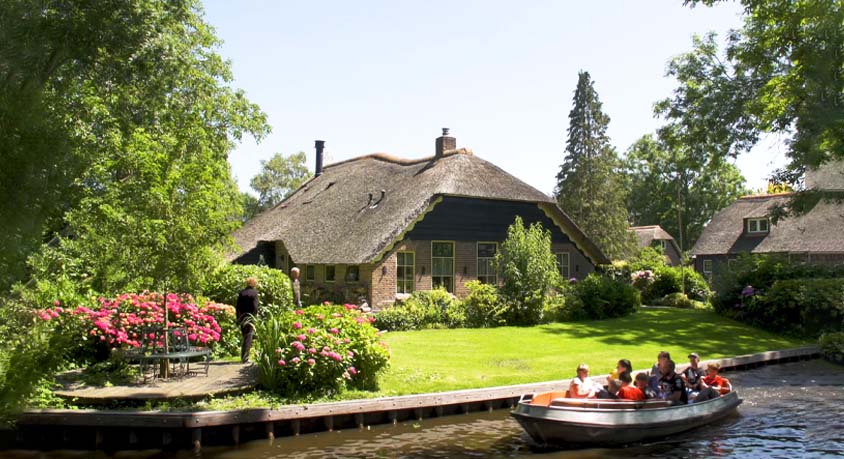
The reflection of a thatched-roof cottage shivered in the dark green water as I pushed my rented "whisper boat" away from the wooden dock. It was barely 9:00 AM, and the only other living soul I’d seen was a local mailman delivering letters by boat, his small engine making less noise than the ducks splashing near the reeds. While the rest of the world was currently suffocating in the narrow, humid alleys of Venice, paying a hundred dollars for a twenty-minute gondola ride through smelly canals, I was navigating a labyrinth of waterways in Giethoorn for a fraction of the price. There were no sirens, no screeching tires, and absolutely no tourist trap menus with pictures of frozen pizza. Just the sound of my own oar dipping into the water and the occasional "Goedemorgen" from a resident pruning their hydrangeas.
Most people treat the Netherlands like it’s just Amsterdam and some windmills, which is a massive financial mistake. They spend thirty dollars on a "canal cruise" where you’re packed like sardines into a glass-topped boat with a pre-recorded audio guide. I skipped the city madness and took a train out to the East. The air changed immediately—it smelled like wet grass and woodsmoke instead of weed and expensive cologne. In Giethoorn, the "roads" are literally water, and the bridges are so low you have to duck your head. I found a tiny rental shop tucked behind a farmhouse where the owner didn't even ask for an ID; he just took fifteen euros and showed me how to steer the electric motor. For the price of a single cocktail in a tourist bar, I had the freedom to explore the entire village at my own pace.
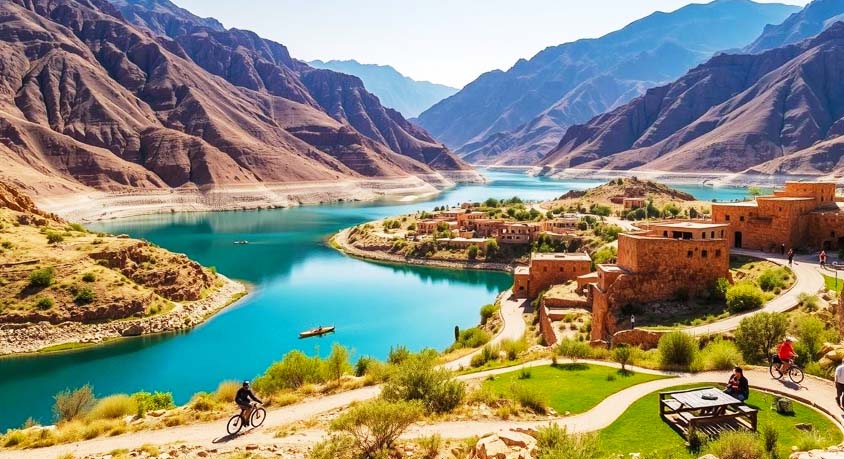
The financial reality of eating in these "hidden" spots is where the real win happens. In the center of Amsterdam, a mediocre sandwich will set you back fifteen euros. In the backstreets here, I sat at a picnic table overlooking a canal and had a "Pannenkoek"—a massive Dutch pancake topped with salty bacon and sweet syrup—that was larger than my head. It cost eight euros. The lady serving it told me that the secret to the village isn't the main canal where the day-trippers congregate, but the "Bovenwijde" lake. If you steer your boat out of the narrow canals and into the open water, the crowds vanish completely. I spent an hour drifting in the middle of the lake, watching the wind ripple through the tall grass, feeling like I’d stumbled into a 17th-century landscape painting that someone forgot to put a price tag on.
I decided to skip the paid museums because the entire village is effectively a living gallery. Every house is a masterpiece of craftsmanship, with roofs made of local reeds and gardens that look like they’ve been curated by a professional florist. I tied my boat to a public wooden post and walked along the narrow footpaths. I met an old man painting his fence who explained that the canals weren't built for beauty, but for survival—they were dug centuries ago to transport peat. It’s funny how what used to be a sign of poverty is now considered a luxury. This is the "contrast" I live for: seeing how a place actually functions when the cameras aren't clicking. You don't need a guided tour to tell you the history when the history is literally under your feet in the form of hand-dug trenches.
Visiting in the "shoulder season" of late September is the ultimate budget hack for Northern Europe. The weather is crisp enough to justify a thick sweater, but you avoid the summer surge where hotel prices double and the canals become a bumper-car arena of amateur boaters. I watched a group of tourists arrive on a bus around noon, looking stressed and checking their watches. They did a quick thirty-minute loop and left. They missed the magic of the late afternoon when the shadows stretch across the water and the locals come out to sit on their decks with a glass of wine. If you travel like you’re on a deadline, you’re just paying to be stressed in a different zip code.
The trick to a "hidden gem" isn't finding a place no one knows about—it's finding a place everyone knows about but no one understands how to enjoy. You don't need a massive bank account to experience a fairy tale; you just need to be willing to leave the city gates and trade a shiny tour bus for a silent wooden boat. While everyone else is complaining about the crowds in the "must-see" capitals, I’ll be over here, drifting under a wooden bridge with a three-euro coffee in my hand and not a single billboard in sight.