The American conception of Southern California adventure is neatly packaged and sold at a premium: if it involves a spectacular cliffside view and a thrilling activity, your wallet is about to get significantly lighter. Mention the Torrey Pines Gliderport to someone from out of state, and they’ll picture an exclusive, adrenaline-fueled club where tandem paragliding flights are a luxury splurge for the reckless wealthy, and the surrounding area is a polished, expensive coastal enclave designed to upsell you at every turn. I arrived fully expecting a breathtaking but financially prohibitive spectacle, a place where I’d either pay hundreds for a minute of flight or be relegated to peeking through a fence. The reality was a refreshing subversion of the entire coastal California economy, a publicly accessible bluff where the most profound experience is utterly free, and the paid adventures are priced with a startling transparency that makes other tourist hubs look deceitful.
Your budget is decided the moment you interpret the word "experience." The most expensive assumption is that you must book a tandem flight to "do" the Gliderport. While these flights are offered (around $150-$200), they are a specific purchase, not an entry fee. The monumental, daily spectacle is completely free: parking in the dirt lot, walking to the cliff's edge, and watching a constant ballet of colorful paragliders and hang gliders launch into the ocean breeze, soaring over the Pacific and the Torrey Pines Golf Course below. The café at the site, with its iconic patio, is the only immediate food option and charges coastal La Jolla prices—$16 for a decent sandwich, $4 for a coffee. The savvy move is to bring your own picnic, purchased from a grocery store inland, or to drive five minutes north into the more residential area of Del Mar for a casual, excellent fish taco at a local stand for a third of the price. The cost chasm here isn't between tourist and local, but between consuming on the cliff and preparing for it.
Accommodation in the La Jolla area in winter confirms every stereotype of coastal California luxury, with nightly rates that can make a New Yorker blush. For the price of a small, outdated room in a La Jolla "boutique" hotel, you could book a modern, spacious suite in a business-class hotel in the UTC or Sorrento Valley area, a 10-15 minute drive inland. You are trading a vague proximity to the coast for actual space, free parking, and easy freeway access to multiple attractions, including the Gliderport. The value isn't in the hotel but in the rental car that connects you to it. Speaking of which, transportation is the core of the experience. Relying on rideshares to and from the Gliderport is a budget sink. Having your own car is almost mandatory for flexibility. The hidden cost isn't a tourist markup, but San Diego's sprawling geography itself; the strategic move is to cluster your visits to coastal attractions like this one on the same day to minimize backtracking.
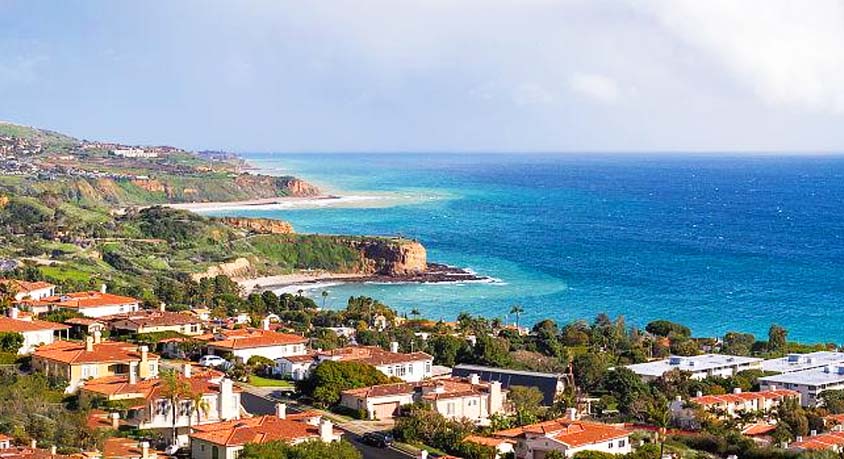
The high-value, low-cost magic of the Gliderport is in the lingering, not the launching. Spend an hour watching the pilots prepare their wings, feeling the wind direction shift, and understanding the quiet community that operates here. For a free, equally stunning perspective, hike the public trails south from the Gliderport parking lot along the Torrey Pines State Natural Reserve bluffs. You'll get panoramic views of the entire coastline without the crowd, often with gliders silently passing overhead. For a fascinating, free cultural and scientific counterpoint, visit the nearby Scripps Institution of Oceanography’s Birch Aquarium. While the aquarium has an admission fee, the campus grounds and the iconic Scripps Pier, a staple of Southern California imagery, are free to walk and observe. The Gliderport’s real value is as a gateway to this entire stretch of protected coastline, not as a standalone adrenaline checkout.
January and February are San Diego’s secret shoulder season. The summer crowds are gone, the infamous "May Gray" and "June Gloom" are months away, and you have a high chance of crisp, clear, sunny days with temperatures in the mid-60s—ideal for both hiking and watching outdoor sports. This is also when hotel prices dip slightly from their summer peaks, though they remain high. The trade-off is that the ocean is at its coldest, and Pacific storms can occasionally bring rain and intense, gusty winds that ground the gliders. You must check the Gliderport’s website or social media for flight conditions before you go. Flights from the East Coast are moderately priced. You are trading guaranteed hot beach weather for potentially perfect hiking and sightseeing conditions, with the understanding that your adventure is weather-dependent in the best way possible.
The Gliderport’s secret isn't a hidden fee; it's a hidden free tier. The lie is that its value is locked behind a harness and a credit card swipe. The truth is that its primary offering—a front-row seat to human flight against one of the world’s great backdrops—costs nothing but your time and a bit of wind. It proves that in a region famous for monetizing its beauty, the most dramatic show is still a public performance, making the real expense not the thrill of flying, but the assumption that you have to pay to feel it.