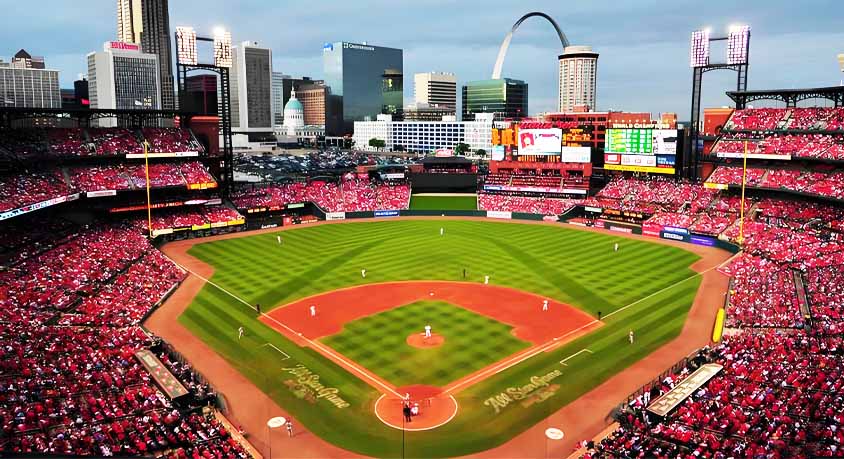
The American mental image of Fenway Park is built on two extremes: the electric, expensive chaos of a game day, where a bleacher seat, a beer, and a hot dog can effortlessly vaporize $150, or a silent, closed-off landmark you walk past on the way to somewhere else. The assumption is that to truly “experience” this cathedral of baseball, you must pay the premium of a live event or be left outside the gates. Booking a historic tour in the off-season, I expected a pleasant but shallow consolation prize—a quick, overpriced walk through empty seats and a gift shop push, a transaction for fans who couldn’t get the real thing. What I found was a quieter, more intimate, and financially intelligent way to connect with the soul of the place, one that revealed how Boston’s most iconic commercial brand operates on a surprisingly accessible tier when the roar of the crowd is absent.
The $25-30 adult ticket for the 60-minute tour is your fixed cost, and it immediately reframes the Fenway economy. This isn't a add-on souvenir; it's the entire, structured experience. Once inside, there are no hidden fees to sit on the Green Monster, go into the press box, or visit the oldest wooden seats in the majors. The financial trap is the immediate vicinity. The bars and restaurants on Lansdowne Street are game-day priced year-round, charging $18 for a burger and $9 for a draft beer. The move is to walk 15 minutes into the Brookline or Mission Hill neighborhoods. There, a classic, no-frills Boston pub serves a better clam chowder and a pint for the price of that single beer near the park. For a true local feast, head to the Jamaican or Vietnamese spots in nearby Hyde Square, where a massive, flavor-packed meal costs under $15.
Accommodation near Fenway from January through March is a study in off-season logic. The hotels in the Back Bay and Fenway area that command $400+ rates during baseball season or graduation weekends can be found for half that price. For the cost of a standard airport hotel in a U.S. city, you're getting a location within walking distance of the museum district, the Charles River, and the ballpark itself. Come April, especially with home games, those rates spike dramatically. You're not paying for a view of the field; you're paying for walkability in a great city during its most affordable window. This is essential because transportation to Fenway is a major budget saver. The Kenmore Square stop on the Green Line’s B, C, or D branches drops you at the park's doorstep for $2.40. Driving and parking is the ultimate unnecessary expense, with garages charging $40-60 for events and still high rates on tour days. The "tourist tax" is the rental car or rideshare you don't need.
The tour’s value isn't in seeing a baseball diamond; it's in accessing the nooks and crannies of a 111-year-old working relic. Standing in the cramped, low-ceilinged locker room or seeing the manual, hand-operated scoreboard inside the Green Monster provides a tangible, behind-the-scenes history you can't get from a seat in the stands. For a free, high-value extension of this, explore the surrounding Fenway-Kenmore neighborhood beyond the stadium walls. Look for the small plaques and statues commemorating players like Ted Williams and Carlton Fisk on the sidewalks. Walk through the bustling, student-filled campus of Boston University nearby for a different energy. For a serene, free counterpoint, visit the Kelleher Rose Garden in the Back Bay Fens just behind the park's outfield walls. In the bare, sculptural beauty of winter or early spring, it’s a peaceful, almost secret garden with a unique view of the stadium’s exterior, a perfect photo spot without the crowds.
Targeting January through March is the key financial and experiential hack. The tour runs year-round, but in these months, you are not competing with game-day traffic or summer tourism. The groups are smaller, the guides are more relaxed and informative, and you can truly linger in the spaces. The trade-off is the weather: it will be cold, often windy, and potentially wet. This is an indoor/outdoor tour; a warm coat is mandatory. By April, the weather improves, but so do the crowds and the sense that you're just a pre-game warm-up act. Flights to Boston are generally cheaper in the deep winter. You are trading physical comfort for touristic comfort—the ability to absorb the history without jostling, and to keep your overall trip budget firmly in check.
Fenway Park’s genius is its dual identity: a for-profit sports juggernaut and a living museum. The tour leverages the latter, offering profound access at a fixed, reasonable price while the former is asleep. It proves the most authentic way to connect with an icon isn't always by buying the most expensive ticket to its main event, but by visiting in its quiet hours, when the stories, not the sales, take center stage.